
Architectural coating system
Architectural coatings serve three primary functions: decoration, protection, and, in some cases, special functionalities.
1. Decorative Function
The primary purpose is to enhance a building’s aesthetics by concealing surface imperfections, creating a pleasing appearance that integrates with its surroundings. Decoration encompasses both visual qualities (color, pattern, gloss) and textural qualities (design of three-dimensional textures).
-
Interior vs. Exterior: While the goal is similar, standards differ. Interiors often favor flat finishes, low-gloss textures, or subtle color patterns. Exteriors typically require higher durability and may utilize glossier finishes or pronounced textured patterns for visual impact.
2. Protective Function
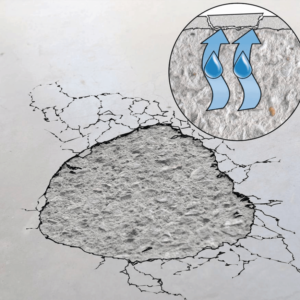
Coatings shield substrates from degradation caused by oxygen, moisture, UV radiation, and airborne pollutants, thereby extending the structure’s service life. Protection requirements vary by substrate:
-
Concrete/Masonry: Coatings must manage moisture (waterproofing, breathability) and resist carbonation, sulfur dioxide, and chemicals.
-
Metal: Anti-corrosion is paramount.
-
General: Exterior coatings face harsher conditions (rain, temperature cycles, UV exposure) and therefore demand higher performance specifications than interior coatings.
3. Special Functions
Specific applications require additional properties:-
Interior: Sound absorption, anti-condensation, anti-mold, or low-VOC/air-purifying features.
-
General: Fire resistance, waterproofing, radiation shielding, insecticidal, or thermal insulation properties.
-
Coating System Structures
A coating system is a multi-layer assembly where each layer has a distinct role.
1. Interior Wall Coating System (2-Layer)
After wall leveling with filler, the system typically consists of:
-
Primer
-
Topcoat (x2)
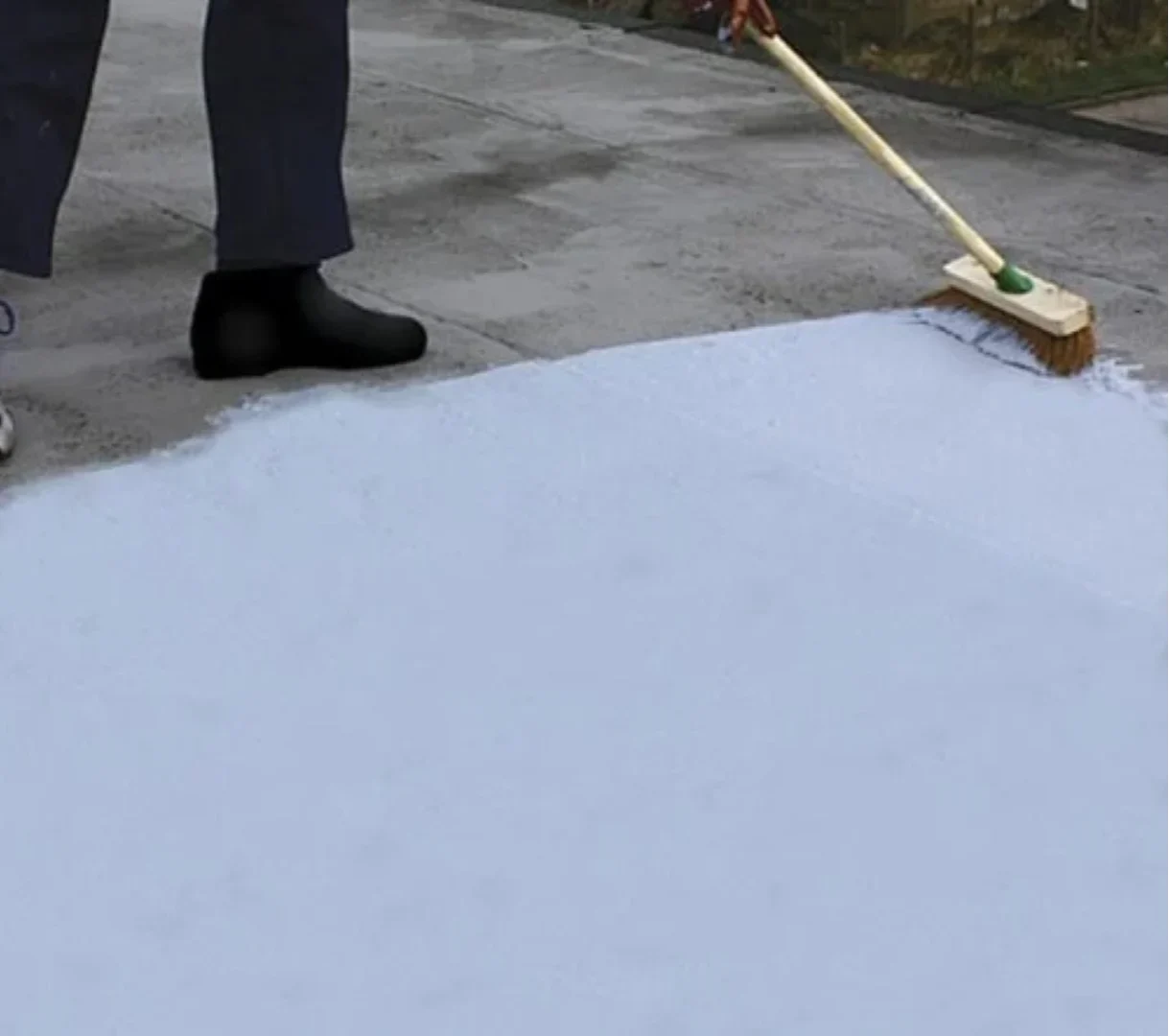
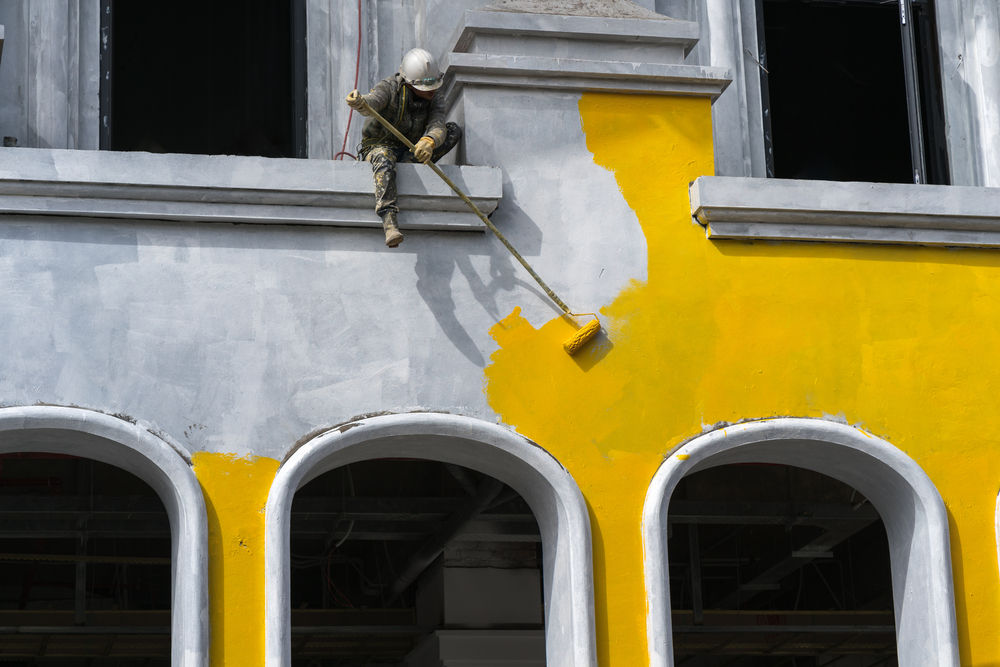
2. Exterior Wall Coating System (3-Layer)
After wall leveling with filler, the system typically consists of:
-
Primer
-
Mid-Coat
-
Topcoat
Role of Each Coating Layer
Interior System:
-
Primer: Seals alkaline substrates, improves topcoat adhesion, and enhances film integrity and smoothness. Skipping the primer can lead to topcoat failure, manifesting as chalking, yellowing, alkali burn, poor adhesion, and reduced service life.
-
Topcoat: Provides the final decorative effect and protection. Interior topcoats require specific colors/patterns, moisture control (water resistance, breathability), stain resistance, scrub resistance, low toxicity, and sometimes special functions like fire retardancy or sound absorption.
Exterior System:
-
Primer: Functions similarly to interior primer: seals alkalinity and enhances adhesion to prevent chalking, yellowing, and alkali burn.
-
Mid-Coat: Provides key opacity, improves build/film thickness (reducing topcoat consumption), and creates textured patterns. It is the main layer in textured finish systems.
-
Topcoat: The final layer must offer both long-term aesthetics and robust environmental protection. Exterior topcoats require high durability (weather resistance, dirt pick-up resistance), water resistance, and UV stability. The design goal is for decorative and protective lifespans to be well-matched, ensuring no material performance is wasted.
Cellulose Ether Tech+
Why Microcrystalline Cellulose Is Widely Used in Tablet Manufacturing?
Learn why Microcrystalline Cellulose (MCC) is widely used in tablet manufacturing and how its compressibility and binding properties support direct compression… Continue reading

How Does Cellulose Ether Improve Makeup Longevity?
Makeup not lasting long enough? Cellulose ether is a natural-derived film-forming solution. How to choose between EC, HEC, and HPMC? This article breaks down their applications in lip gloss, foundation, and setting spray… Continue reading
How CMC Makes Ice Cream Creamier with Fewer Ice Crystals?
This article explains four key roles of Sodium Carboxymethyl Cellulose (CMC) in ice cream: preventing ice crystal growth, increasing viscosity, improving mouthfeel, and preventing fat separation, with SIDLEYCHEM food grade CMC solutions… Continue reading
How Polyanionic Cellulose (PAC) Improves Water-Based Drilling Fluids
Learn how Polyanionic Cellulose (PAC) improves water-based drilling fluids by controlling fluid loss, enhancing borehole stability, and optimizing drilling performance in oil and gas operations… Continue reading

Sodium Carboxymethyl Cellulose in Toothpaste
Discover why Sodium Carboxymethyl Cellulose (CMC) is widely used in toothpaste. Learn how CMC improves consistency, stability, spreadability, and overall oral care product performance… Continue reading
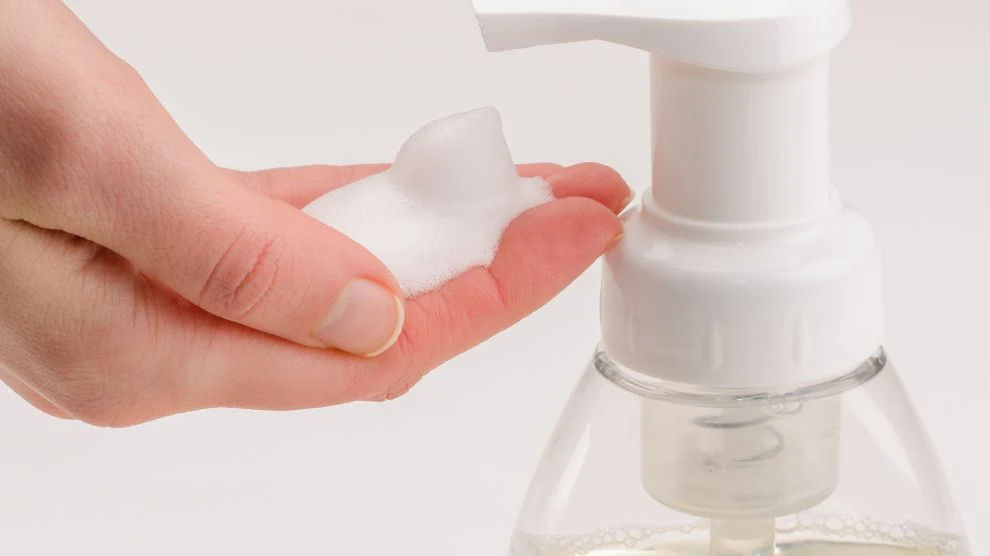
HEC in hand soap
Hydroxyethyl Cellulose (HEC) improves foam stability in hand soap by increasing viscosity, stabilizing foam structure, and enhancing texture, delivering a richer and longer-lasting washing experience… Continue reading
HEC for liquid detergent
Hydroxyethyl Cellulose (HEC) is widely used in liquid detergents due to its excellent thickening performance, surfactant compatibility, and stable rheology, improving product stability and user experience… Continue reading
Choosing the Right Cellulose Ether for Detergent Manufacturing
This guide provides a complete framework for selecting cellulose ethers in detergent manufacturing: comparing HEC vs. CMC performance, selection factors, and combination strategies, with SIDLEYCHEM customized product solutions… Continue reading
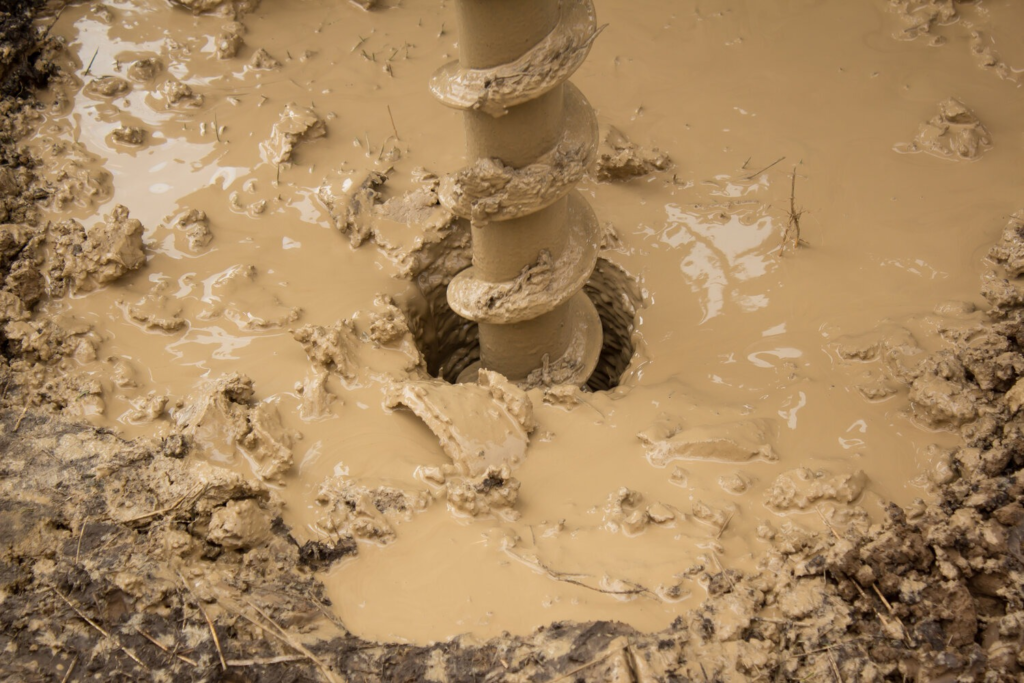
Oilfield Grade CMC Application
This article details the multifunctional applications of oilfield grade CMC in drilling, cementing, and fracturing fluids, including fluid loss reduction, viscosity enhancement, proppant transport, and guar gum replacement, with LVT/HVT and ultra-high viscosity specifications… Continue reading
PAC Drilling Fluid Application
This article details oilfield grade PAC applications in drilling fluid solids control, performance regulation, and system stabilization, with PAC-LV/HV specifications… Continue reading
