
Coatings Thickener Usage Guide
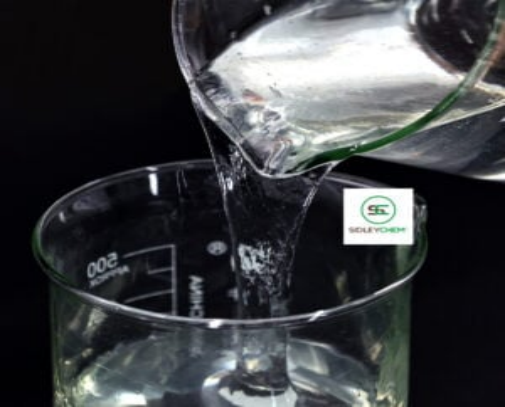
Coatings thickeners are essential coating additives primarily used to regulate the rheological properties of coatings and improve application performance. Below, we provide a detailed overview of their specific functions and usage methods.
I. Main Functions of Coatings Thickeners
-
Adjust Coating Viscosity:Thickeners effectively increase coating viscosity by forming a three-dimensional network structure. This not only makes the coating easier to apply but also ensures it adheres to the substrate at an appropriate thickness.

-
Enhance Adhesion:By increasing coating viscosity, thickeners prolong the dwell time of the coating on vertical surfaces, allowing full contact with the substrate, thereby improving adhesion.
-
Improve Coverage Performance:Optimal viscosity prevents rapid pigment settling, ensuring uniform pigment distribution and enhancing the coating’s hiding power, making it easier to cover surface defects on the substrate.
II. Correct Usage Methods
-
Addition Steps
-
Thoroughly stir the coating first
-
Slowly add the thickener while maintaining stirring
-
Continue stirring until fully homogeneous
-
Key Usage Points
-
It is recommended to add in batches for better viscosity control
-
If clumping occurs during addition, extend the stirring time
-
Adjust the dosage as needed to achieve the desired viscosity
III. Important Considerations
-
Maintain continuous stirring during thickener addition to ensure uniform dispersion
-
If viscosity is too high, add a small amount of water for adjustment
-
Conduct small-scale tests prior to full application
-
Pay attention to compatibility with different coating systems

Cellulose Ether Tech+

Sodium CMC Saline Alkali Land Remediation
This article details four core functions of Sodium Carboxymethyl Cellulose (CMC) in saline-alkali land remediation: water retention, soil aggregation, salt chelation, and slow-release nutrient enhancement, with an introduction to SIDLEYCHEM’s green CMC products… Continue reading

CMC Paper Applications
This article details the customized applications of Sodium Carboxymethyl Cellulose (CMC) in printing paper, packaging board, tissue, and specialty paper, covering key parameters like viscosity selection and pH compatibility, with paper grade CMC specifications… Continue reading
Application Guide for Textile Grade CMC
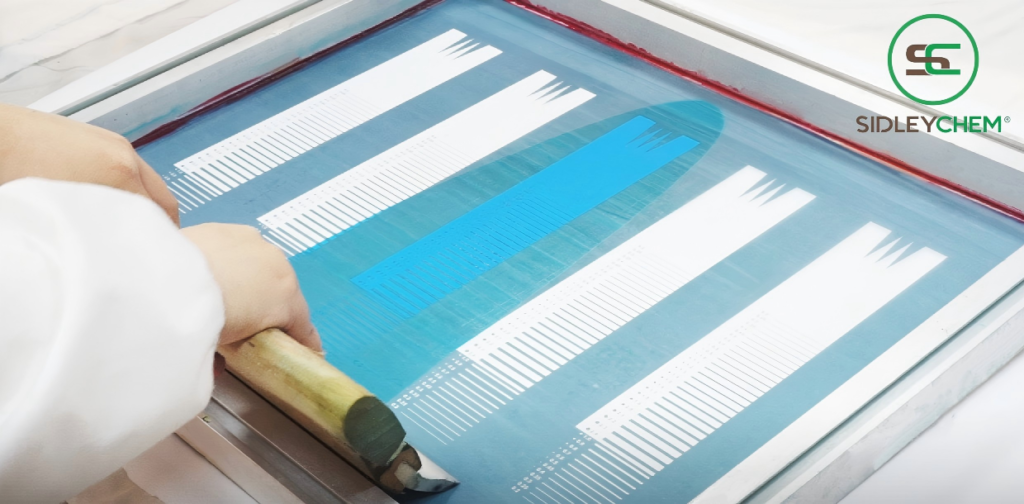
This article details the application advantages of textile grade Sodium Carboxymethyl Cellulose (CMC) in printing pastes, yarn sizing, and dyeing auxiliaries, including rheology, water retention, stability, and eco-friendliness, with technical specifications reference… Continue reading

Cosmetic Raw Materials Classification
This article systematically categorizes 30 common cosmetic raw materials, covering oils, surfactants, active ingredients, and plant extracts, providing basic reference for formulation development and ingredient selection… Continue reading
Personal Care Formulation Process
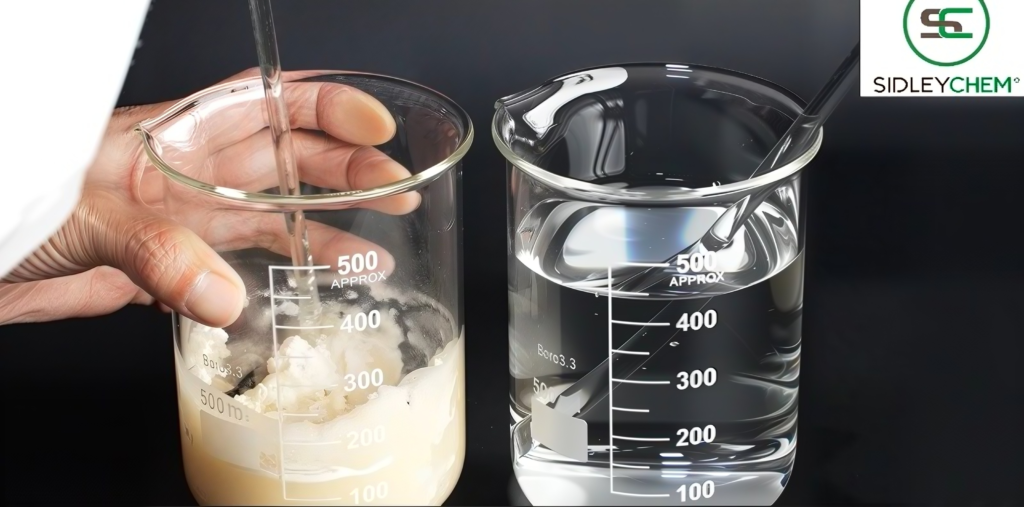
This article lists key process points for thickeners in personal care formulations, including dissolution, pH control, salt tolerance, and selection, and introduces relevant cellulose ether products from … Continue reading
Surfactants in daily chemicals
This article analyzes the definition and amphiphilic nature of surfactants, details their roles in four major daily chemical scenarios (cleaning, skincare, oral care, cosmetics), and summarizes three core advantages. It concludes by relating to SIDLEYCHEM’s expertise and products in relevant areas such as cellulose ethers and redispersible polymer powder… Continue reading

Sodium CarboxyMethylCellulose(CMC) Applications
This article details the properties of food-grade CMC and its key applications in foods like soy milk, ice cream, noodles, and pastries, covering its thickening, stabilizing, and moisture-retaining functions with practical dosage recommendations for food formulators… Continue reading

Architectural coating system
This article details the three core functions of architectural coatings and standard coating system structures (primer, mid-coat, topcoat), analyzing the role of each layer to provide a clear technical framework for selection, formulation, and application… Continue reading

hand sanitizer formulation
A practical guide on hand sanitizer types and formulation basics. Learn about core ingredients like surfactants, HPMC thickeners, and antibacterial agents for developing effective regular, antibacterial, or waterless hand sanitizers… Continue reading

Detergent formulation ingredients
How to select raw materials for FMCG product development? This article details the functions of ten key ingredients like sulfonic acid, AES, AEO-9, and HPMC, offering crucial advice on compliance, safety, and formulation to streamline your product development… Continue reading
