
Microbead applications
Based on unique physico-chemical properties, Microbead materials have moved from lab research to broad engineering applications. Their value extends beyond cementitious materials into multiple industrial fields, showing promise as a multi-functional filler.
Key Applications in Cementitious Building Materials

High-Performance Concrete Fields
In UHPC and high-strength concrete, Microbead serves as a functional supplementary material. Its physical water reduction helps lower the water-cement ratio, the micro-filling effect increases density, and its slow-release activity benefits workability retention and long-term strength. Practical projects show that with proper dosage, concrete strength can increase by 10-25% at various ages, while chloride ion permeability significantly decreases.
Self-Compacting and High-Flowability Systems
For systems requiring high fluidity like Self-Compacting Concrete (SCC) and self-leveling mortars, the ball-bearing effect of Microbead significantly improves rheological properties.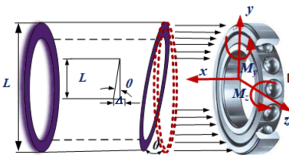 Its spherical particles help stabilize the paste, prevent aggregate segregation, and make achieving self-leveling and self-compacting states easier, ideal for complex structural casting and thin-layer application.
Special Engineering Applications
In mass concrete, the low early-heat characteristic of Microbead aids in temperature control and crack prevention. In corrosion protection projects, its density-enhancing effect improves chemical erosion resistance. In repair mortars, it balances fluidity and compressive strength needs.
Key Applications in Cementitious Building Materials
Cross-Industry Application Expansion
The value of Microbead extends beyond building materials. Leveraging its spherical, high-strength, heat-resistant, and insulating properties, it plays a role in several industries:
-
Polymer Composites: As a functional filler in plastics/rubber to improve processing flow, dimensional stability, surface gloss, and mechanical strength.
-
Refractory Materials: For producing lightweight, high-strength refractory products, balancing insulation and structural strength.
-
Functional Products: Used in sound-absorbing materials, friction materials, artificial stone, etc., leveraging specific physical advantages.
-
Other Industries: As catalyst supports, precision casting sand, etc.

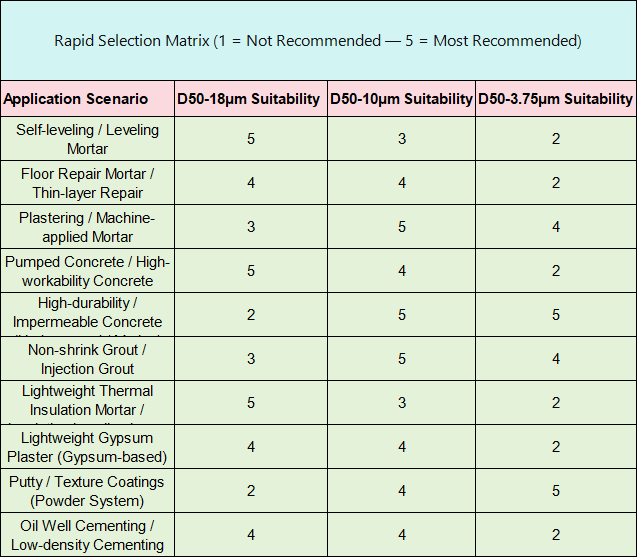
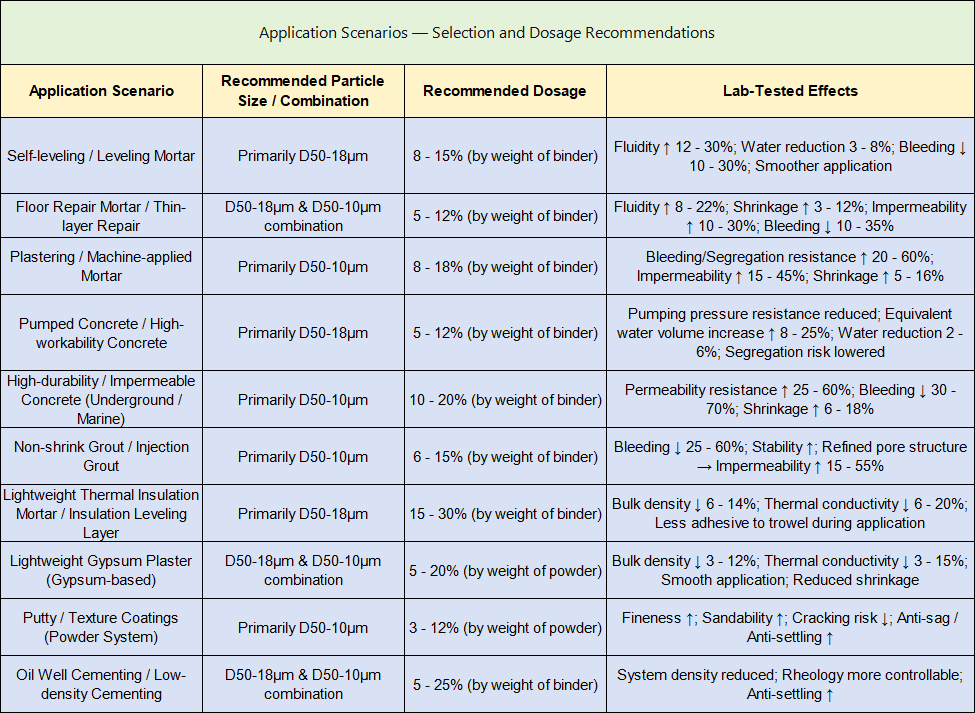
For innovative applications in building materials, SidleyChem’s technical team has accumulated systematic application data for Microbead products (e.g., D50=10μm, 18μm) in systems like UHPC and self-leveling mortars, providing targeted technical selection advice.
Application Guidance & Outlook
In practice, the typical dosage of Microbead is 3-10% of the total cementitious material, determined through testing based on system requirements. Synergistic effects are achieved when used with polycarboxylate superplasticizers, combining physical and chemical water reduction.
As performance requirements for materials increase, spherical powders like Microbead are becoming an effective pathway towards high performance and functionalization. From improving workability to enhancing durability, and from single material applications to cross-functional uses, the technological approach represented by Microbead provides a noteworthy direction for material innovation.




Concrete & Beton Tech+
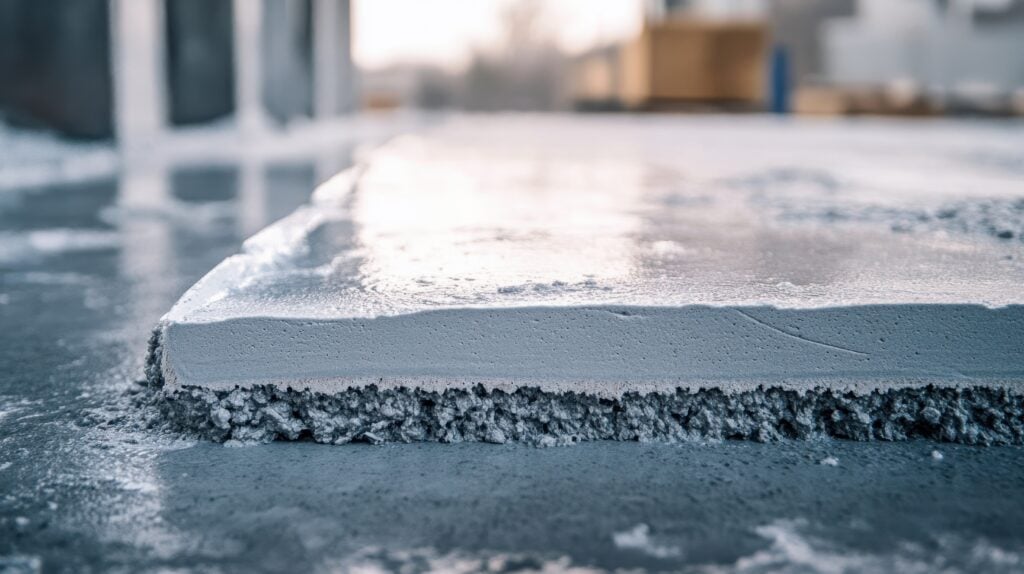
Concrete Curing agent Application
This article details the correct application of concrete curing compounds, including core functions, type selection, performance indicators, and construction key points, with an introduction to SIDLEYCHEM’s HC and HCP curing compound products… Continue reading
Air Entraining Agent Function
This article details six core benefits of air-entraining agents in concrete: improving workability, enhancing durability, optimizing volume stability, and more, with an introduction to SIDLEYCHEM’s complete air-entraining agent range (A111/A120/AE180P/AE195L/Finish200) and application selection… Continue reading
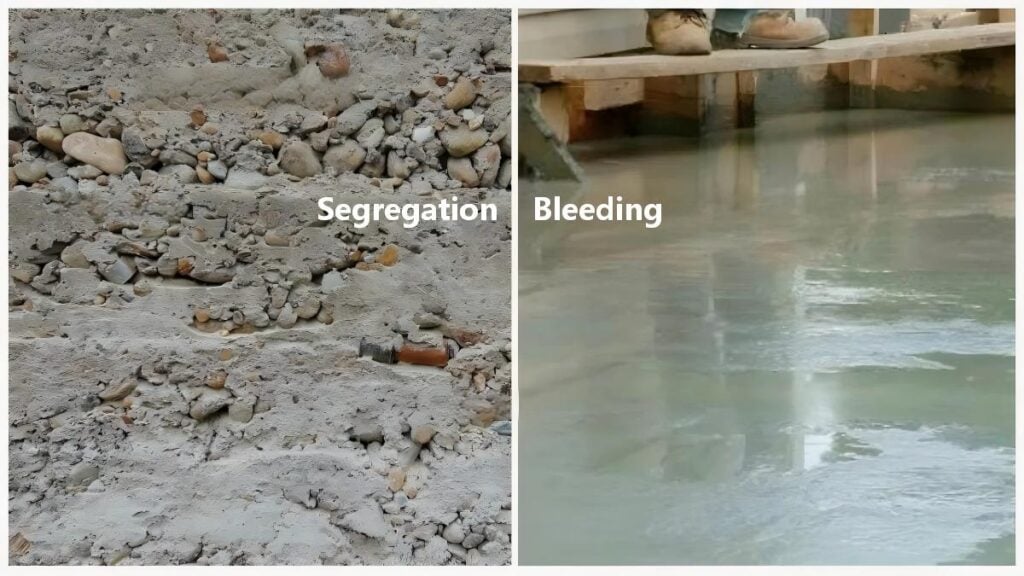
Segregation vs Bleeding Concrete
This article explains the difference between concrete segregation and bleeding—definition, appearance, causes, and performance effects—and introduces SIDLEYCHEM’s stabilizing rheology modifier series (VMA, LV1, 5R/7R/9R) for targeted solutions… Continue reading
Water Reducer Working Principle
This article analyzes the synergistic relationship between water and water reducers in concrete, explaining the working principle, two typical applications (water reduction vs. plasticizing), and mix design control points… Continue reading
Plastic Expansive Agent for Duct Grouting
This article details the core definition, chemical composition, gentle gas-forming expansion mechanism, and main applications of plastic expansive agents for duct grouting. It also provides key application parameters for SIDLEYCHEM’s product PEA50P, offering professional reference for ensuring prestressed grouting compactness… Continue reading
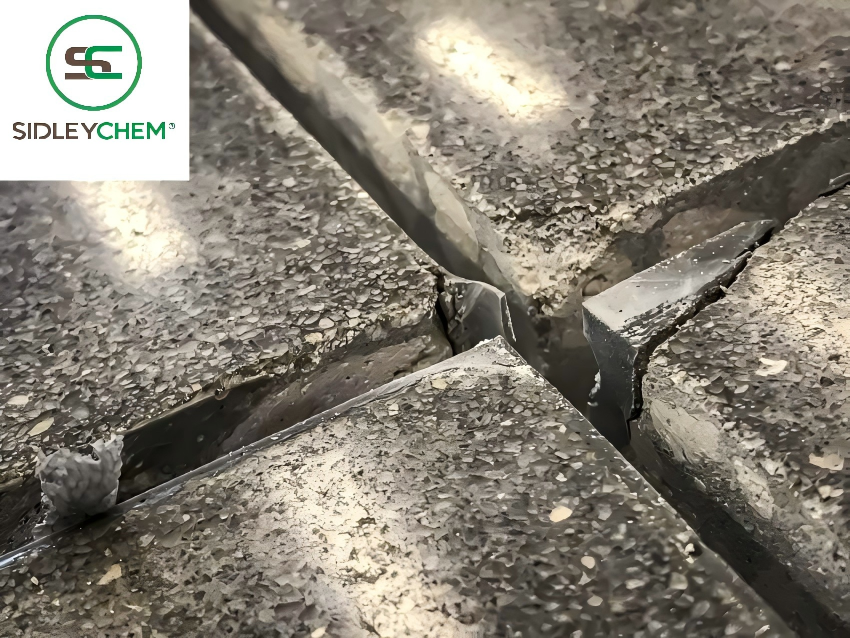
Choosing concrete expanding agents
How to select a concrete expanding agent? This guide compares 4 main types, their mechanisms & applications, provides dosage advice, and introduces SidleyChem’s high-efficiency SIDLEY EAMP masterbatch solution… Continue reading
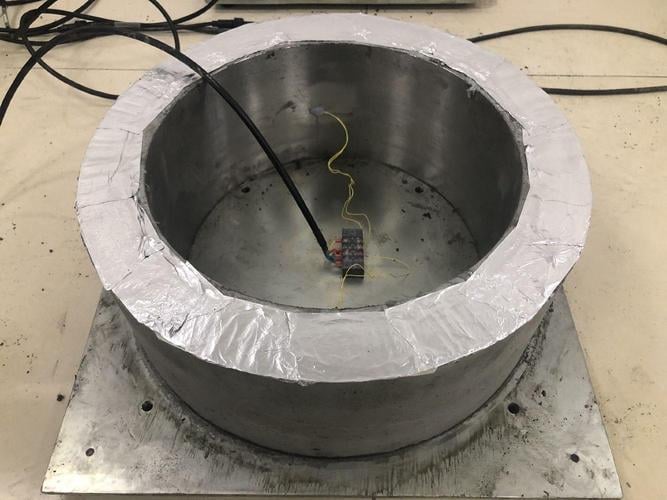
Expanding Agent vs Shrinkage Reducing Admixture
This article details the key differences between concrete expanding agents and shrinkage reducing admixtures (SRA) in mechanism, crack control efficacy, dosage, and applications, providing a clear guide for engineers to select the right solution based on shrinkage type and project needs… Continue reading
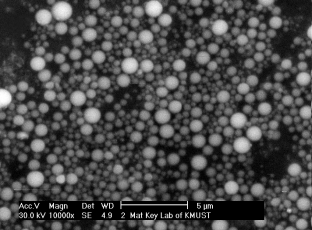
Microbead spherical powder
This article details the three mechanisms of SidleyChem’s new Microbead (ultramicro-spherical powder): physical water reduction, micro-aggregate filling, and slow-release pozzolanic activity. Learn how its unique morphology enhances concrete workability, density, and durability for innovative high-performance material design… Continue reading
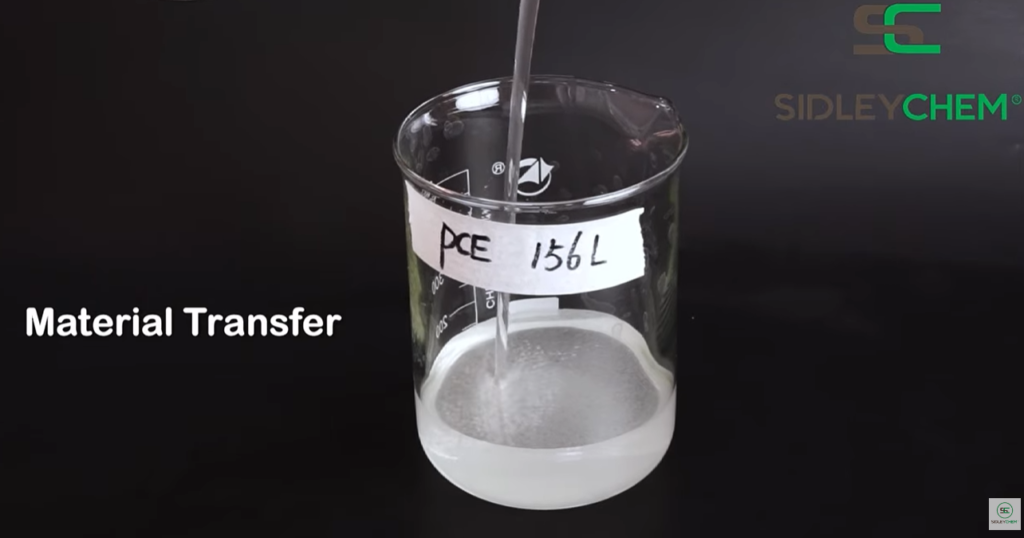
PCE synthesis procedure
This article presents a practical laboratory procedure for synthesizing PCE, including raw materials, A/B/C solution preparation, feeding sequence, reaction timing, and mother liquor completion… Continue reading
concrete mineral admixtures
Discover how high-performance inorganic mineral admixtures like Sidley Fume45 enhance concrete workability and durability. Learn about their advantages in improving fluidity, strength, and resistance to environmental factors… Continue reading
