
Surface treatment cellulose ether
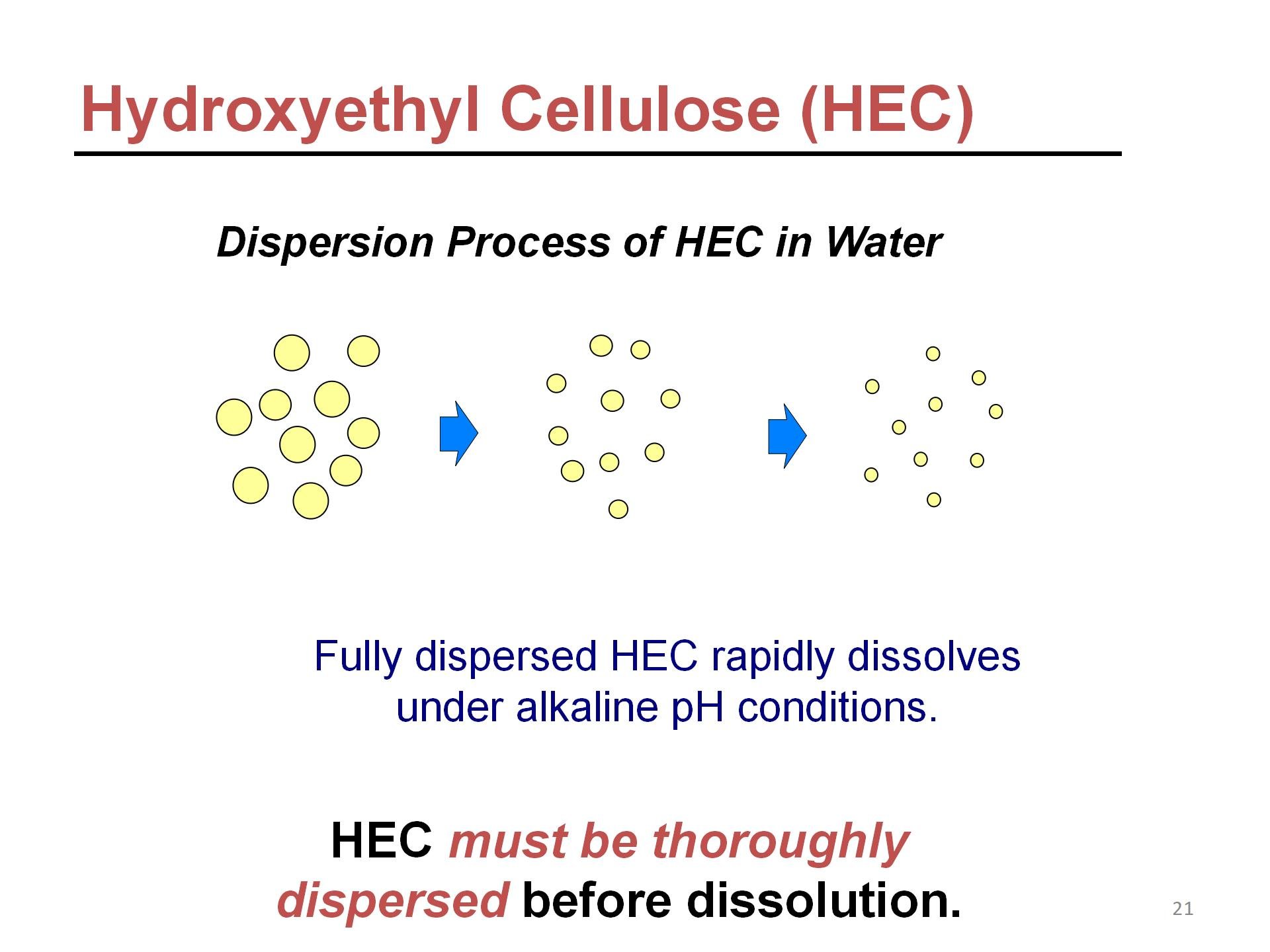
Agglomeration and Lumping Phenomena: When untreated cellulose ether powder is directly poured into water, water molecules rapidly envelop the powder’s outer layer, preventing internal particles from effectively contacting water and readily forming lumping.
Left video: When ordinary cellulose ether is added to a solution, it forms clumps that require 3-6 hours of stirring to fully dissolve, wasting significant time and energy.
To address the agglomeration of cellulose ether, we have introduced surface-treated products: HPMC D905.
For certain water-based coatings or cleaning products, cellulose ether must be added directly to cold water for use. For such applications, cellulose ether is commonly surface-treated with glyoxal to enhance its delayed solubility:
Glyoxal reacts with cellulose ether to form hemiacetal, moderately cross-linking the cellulose ether. This cross-linked product is insoluble in water but exhibits good dispersibility. During the hydration phase—the process of dispersing in water—only a minimal amount of cellulose ether is swelled.
Simultaneously, the hemiacetal structure begins to hydrolyze at a steady rate until the cross-linked bonds break. The cellulose ether then rapidly dissolves, causing a sharp increase in viscosity.
The hydrolysis rate increases with rising temperature and pH. In alkaline conditions with pH above 7, the delayed dissolution effect nearly disappears entirely. At this point, the cellulose ether fully dissolves and swells, forming a transparent, viscous cellulose ether solution.
During the final stages of painting and cosmetic production, the pH is typically adjusted to alkaline conditions. At this point, cellulose ether fully releases its viscosity, achieving the required product consistency. If full viscosity is needed earlier, simply adjust the pH of the cellulose ether dispersion to alkaline and allow the solution to swell for 1-2 hours to obtain a fully dissolved cellulose ether solution.
If adding cellulose ether during the final stage of paint or detergent preparation, first thoroughly wet the cellulose ether with sufficient water before incorporating it into the paint or detergent solution.
Cellulose Ether Tech+
Why Microcrystalline Cellulose Is Widely Used in Tablet Manufacturing?
Learn why Microcrystalline Cellulose (MCC) is widely used in tablet manufacturing and how its compressibility and binding properties support direct compression… Continue reading

How Does Cellulose Ether Improve Makeup Longevity?
Makeup not lasting long enough? Cellulose ether is a natural-derived film-forming solution. How to choose between EC, HEC, and HPMC? This article breaks down their applications in lip gloss, foundation, and setting spray… Continue reading

How CMC Makes Ice Cream Creamier with Fewer Ice Crystals?
This article explains four key roles of Sodium Carboxymethyl Cellulose (CMC) in ice cream: preventing ice crystal growth, increasing viscosity, improving mouthfeel, and preventing fat separation, with SIDLEYCHEM food grade CMC solutions… Continue reading
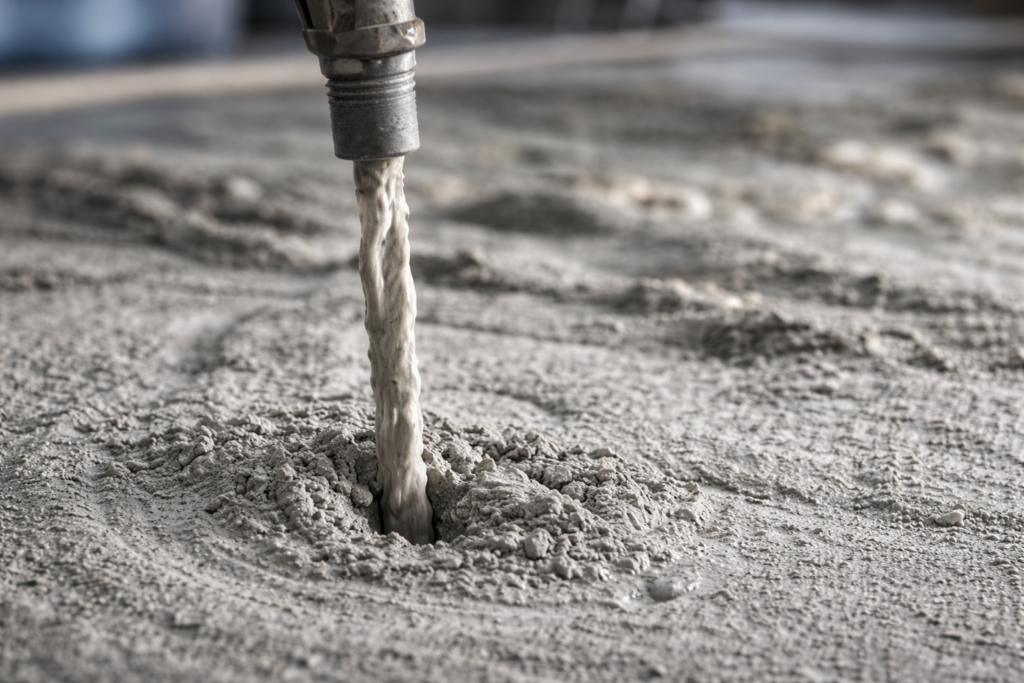
How Polyanionic Cellulose (PAC) Improves Water-Based Drilling Fluids
Learn how Polyanionic Cellulose (PAC) improves water-based drilling fluids by controlling fluid loss, enhancing borehole stability, and optimizing drilling performance in oil and gas operations… Continue reading

Sodium Carboxymethyl Cellulose in Toothpaste
Discover why Sodium Carboxymethyl Cellulose (CMC) is widely used in toothpaste. Learn how CMC improves consistency, stability, spreadability, and overall oral care product performance… Continue reading
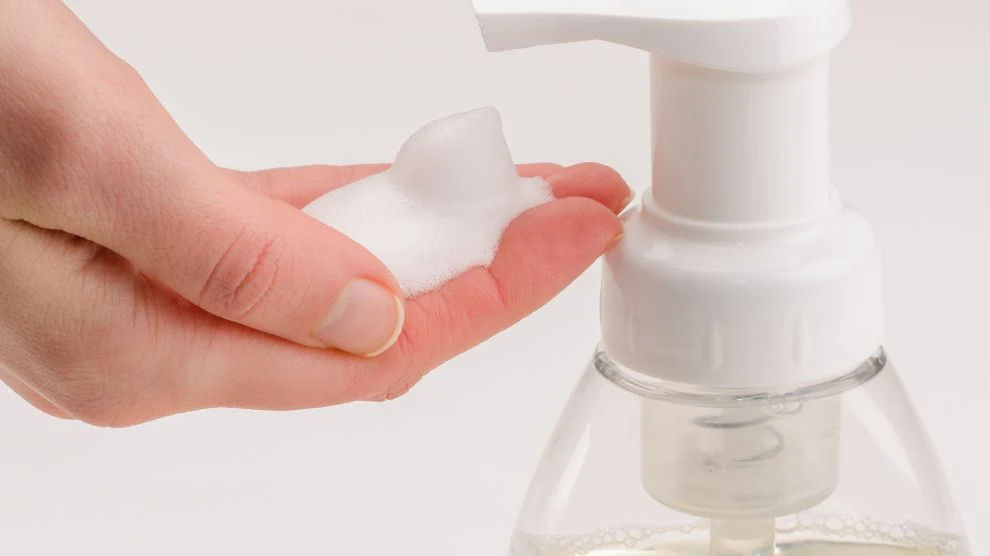
HEC in hand soap
Hydroxyethyl Cellulose (HEC) improves foam stability in hand soap by increasing viscosity, stabilizing foam structure, and enhancing texture, delivering a richer and longer-lasting washing experience… Continue reading

HEC for liquid detergent
Hydroxyethyl Cellulose (HEC) is widely used in liquid detergents due to its excellent thickening performance, surfactant compatibility, and stable rheology, improving product stability and user experience… Continue reading

Choosing the Right Cellulose Ether for Detergent Manufacturing
This guide provides a complete framework for selecting cellulose ethers in detergent manufacturing: comparing HEC vs. CMC performance, selection factors, and combination strategies, with SIDLEYCHEM customized product solutions… Continue reading
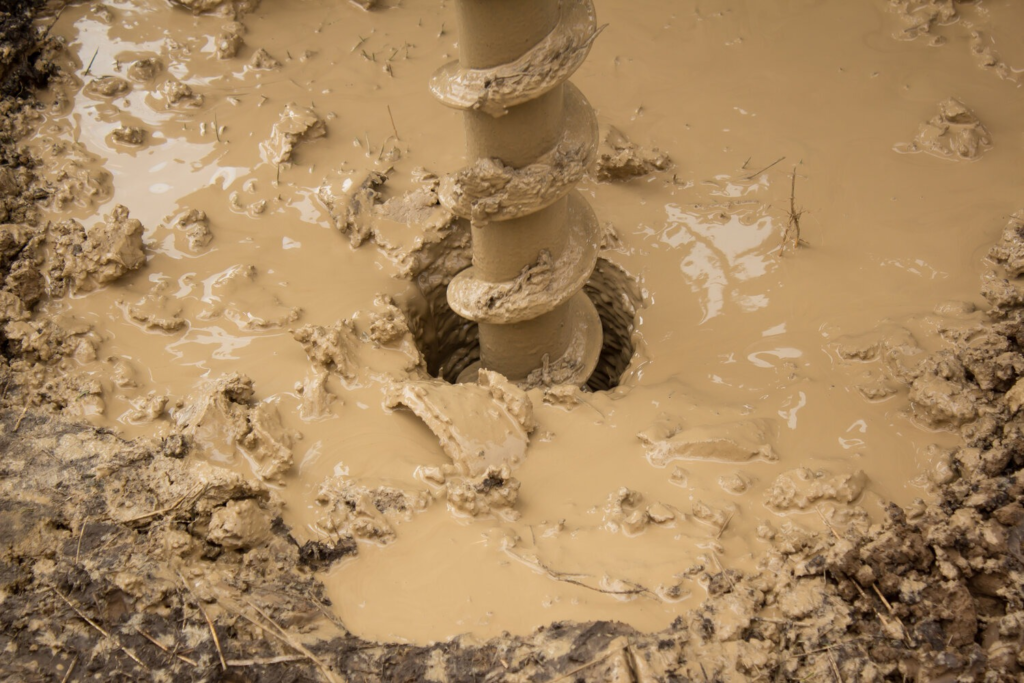
Oilfield Grade CMC Application
This article details the multifunctional applications of oilfield grade CMC in drilling, cementing, and fracturing fluids, including fluid loss reduction, viscosity enhancement, proppant transport, and guar gum replacement, with LVT/HVT and ultra-high viscosity specifications… Continue reading
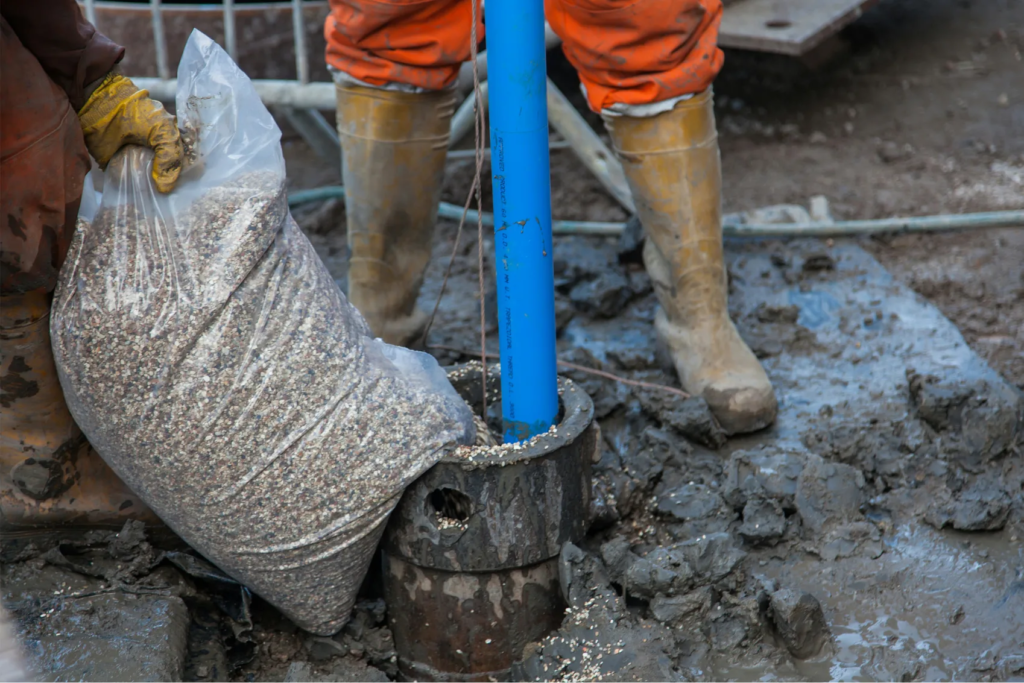
PAC Drilling Fluid Application
This article details oilfield grade PAC applications in drilling fluid solids control, performance regulation, and system stabilization, with PAC-LV/HV specifications… Continue reading
